The Basics
The Engineering Behind Everyday Life
You turn on the faucet, cross a bridge, or drive past land being cleared for a neighborhood. Behind each ordinary moment is a system of engineering decisions. In this series, I follow those systems to explain how they work, why they sometimes fall short, and how their tradeoffs affect the places we live. Written for people who are not engineers. Start anywhere; each article stands on its own.
The lights flicker during a thunderstorm, then everything goes dark. Why does it happen, why does your neighbor still have power, and what actually takes place before the lights come back on?
Before the trees come down, someone has already worked out whether the land, the rules, the infrastructure and the numbers can support a neighborhood. Follow one wooded tract from 100 imagined lots to a workable plan for 72.
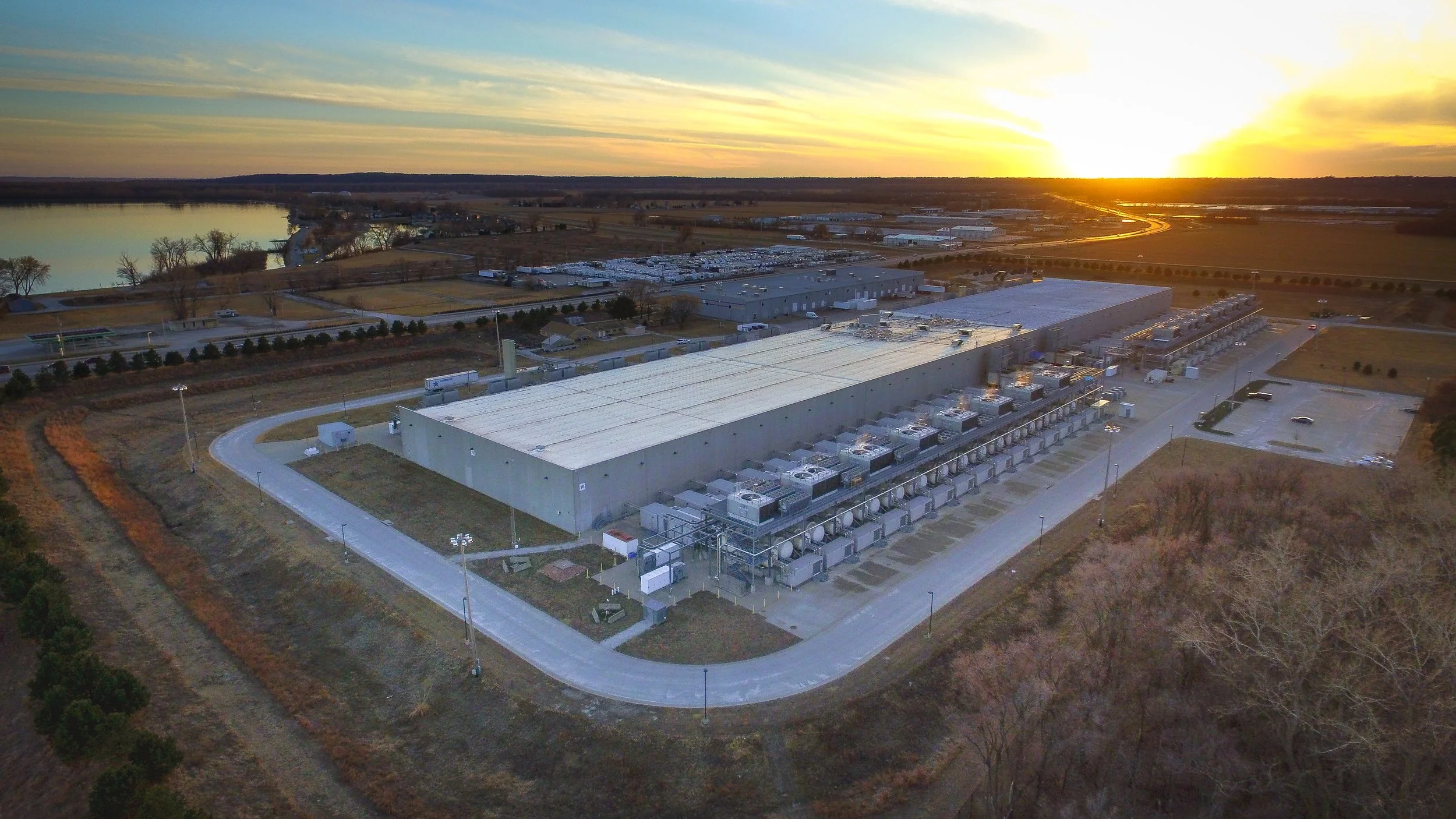
Power, cooling, water, wastewater, stormwater, noise and access: how a data center’s design determines what it needs from the infrastructure around it.
Follow your car's weight from the tire to the dirt, and see what each part of a bridge is doing, why it bumps, and what a flood can take away.
Follow a familiar drive from your driveway to the interstate, and see why each kind of road trades direct property access for through movement.
Rain is the third kind of water in a city, and nobody turns it on. Follow a raindrop from roof, lawn, or street through Columbia’s drainage systems to the Congaree River.
Where does it go when you flush? Follow wastewater forward, from your toilet through the sewer system to the Congaree River, explained for people who are not engineers.
Follow a glass of water backward from your kitchen faucet through the pipes, pumps, treatment plant, and source waters that make an ordinary glass of water possible.